A look back at PollinERA’s fieldwork in 2024: Sweden
The overall goal of PollinERA is to reverse pollinator population declines and reduce the harmful impacts of pesticides and to do that, the project follows four specific objectives:
SO1 | Fill ecotoxicological data gaps to enable realistic prediction of the source and routes of exposure and the impact of pesticides on pollinators and their sensitivity to individual pesticides and mixtures.
SO2 | Develop and test a co-monitoring scheme for pesticides and pollinators across European cropping systems and landscapes, developing risk indicators and exposure information.
SO3 | Develop models for predicting pesticide toxicological effects on pollinators for chemicals and organisms, improve toxicokinetic/toxicodynamic (TKTD) and population models, and predict environment fate.
SO4 | Develop a population-level systems-based approach to risk and policy assessment considering multiple stressors and long-term spatiotemporal dynamics at a landscape scale and generate an open database for pollinator/pesticide data and tools.
Following SO2, one of the main aims of Work Package 4: Monitoring and risk indicators (WP4) is to develop and test a co-monitoring scheme for tracking pesticide exposure and communities of key pollinator groups across European cropping systems, as well as to develop pesticide risk indicators for these pollinators. An important step in the development of the co-monitoring scheme is the careful selection of monitoring sites. Therefore, the WP4 team selected high pesticide risk agricultural landscapes in two types of cropping systems across Europe:
-
intensive arable including oilseed rape;
-
intensive perennial including apple orchards.
Based on this selection, in 2024, WP4 conducted fieldworks in Sweden, Poland and Italy, gathering important data for the development and testing of the co-monitoring scheme.
Take a look at the 2024 fieldwork in Sweden, conducted by project partner Lund University.
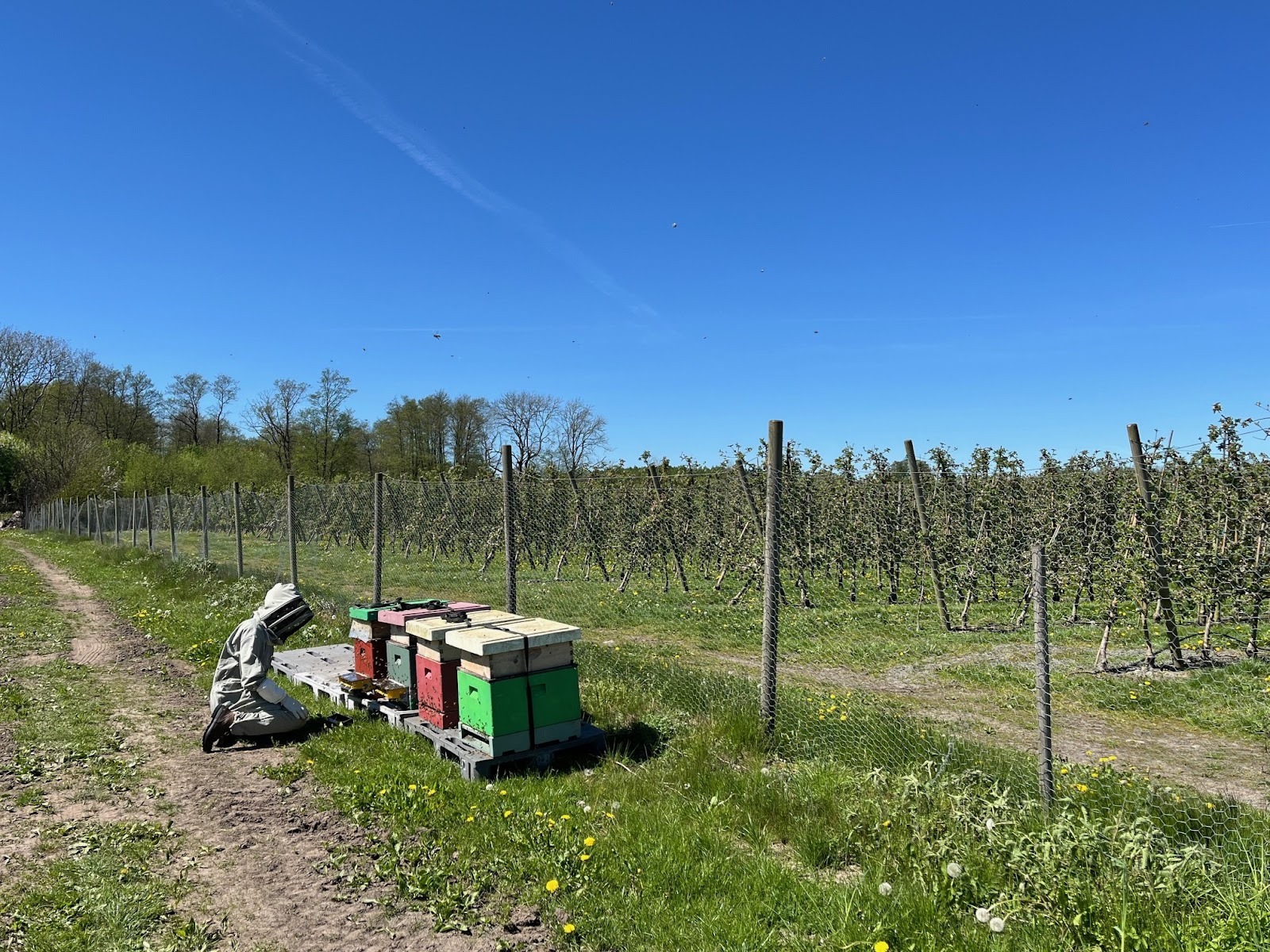
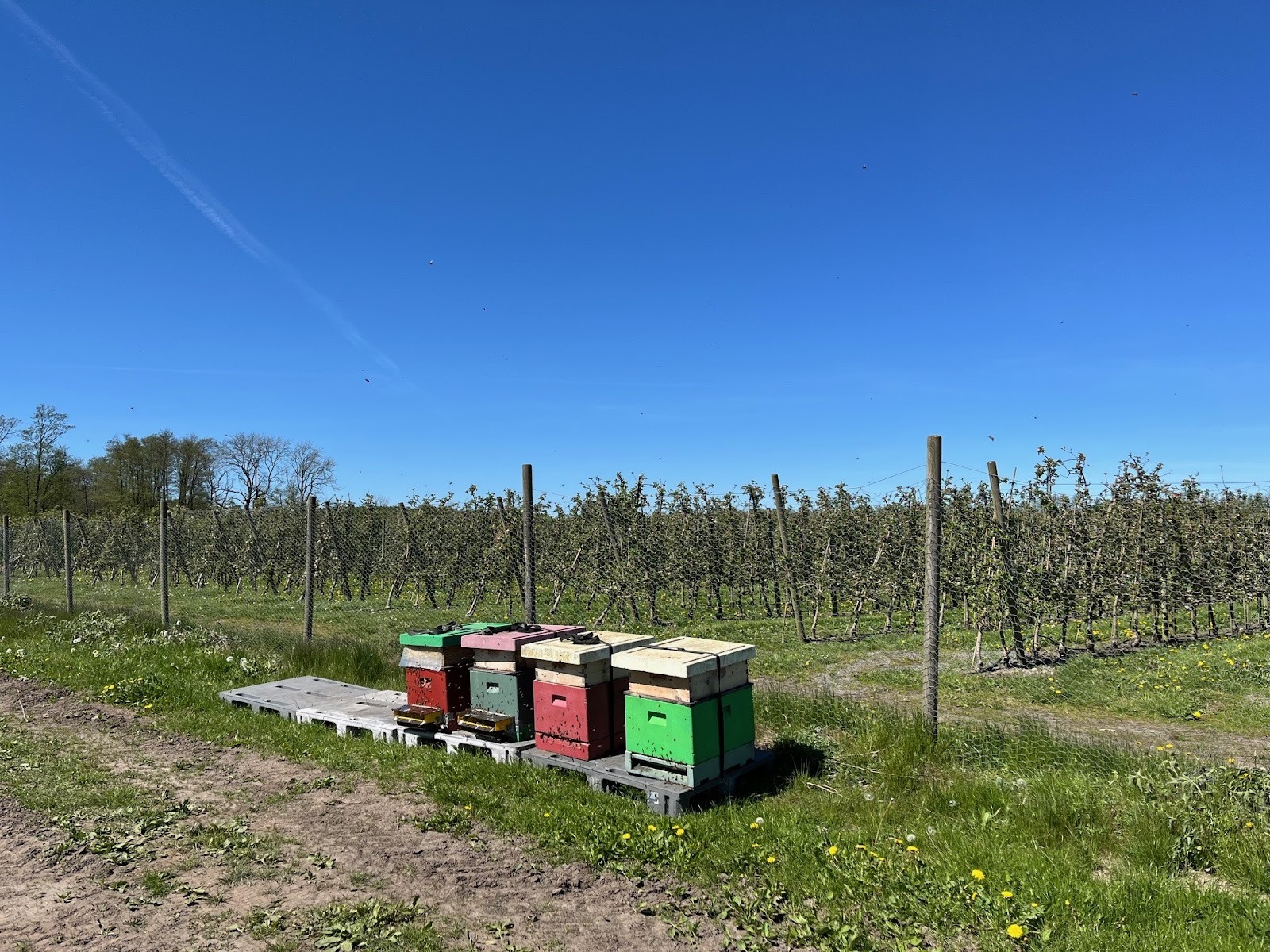
Honeybee pollen collection near apple orchards in Sweden. Photos: Maj Rundlöf
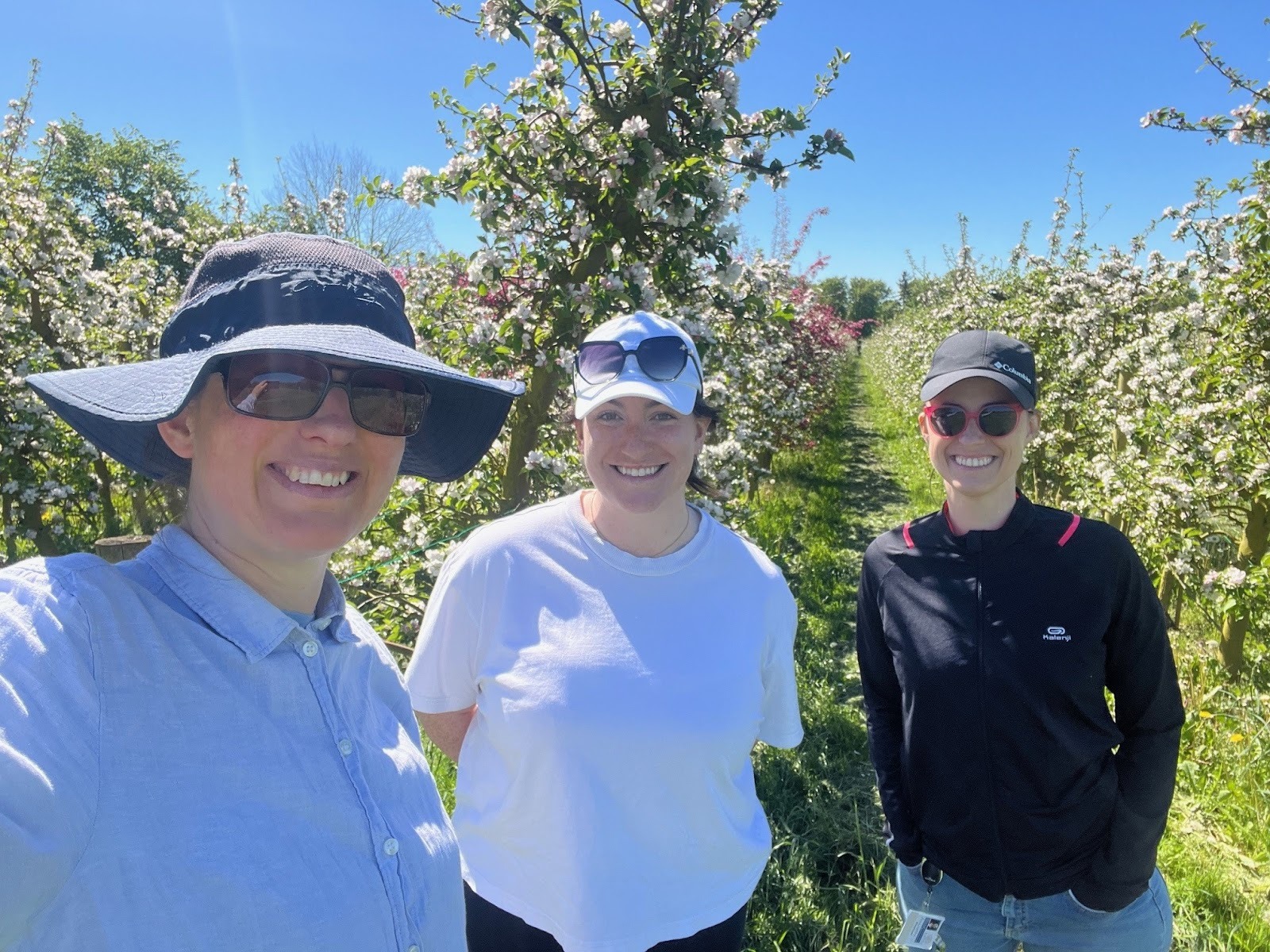
Partners Maj Rundlöf, Alison O'reilly and Inés Prieto-Ruiz during fieldwork in Sweden. Photo: Maj Rundlöf
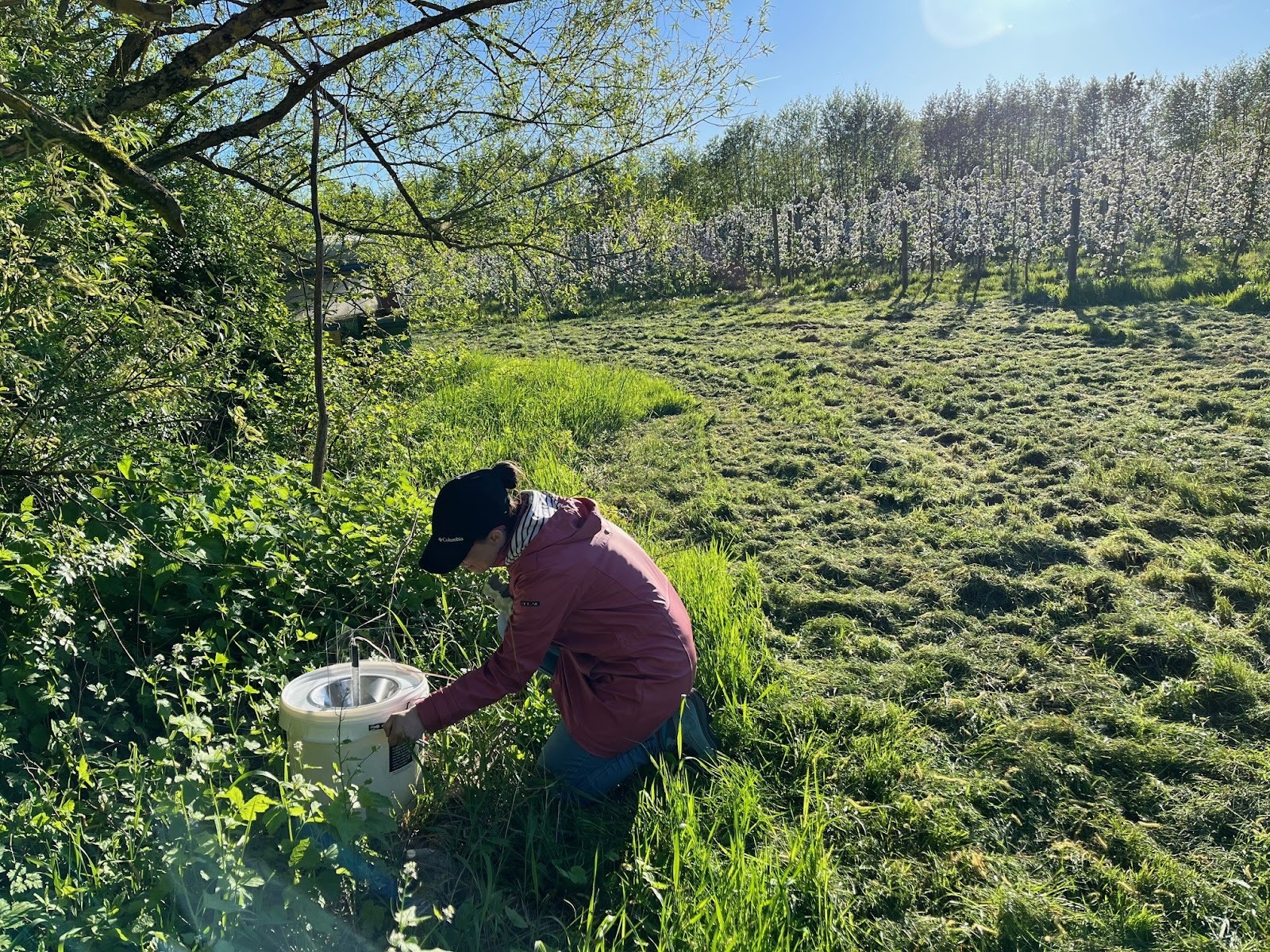
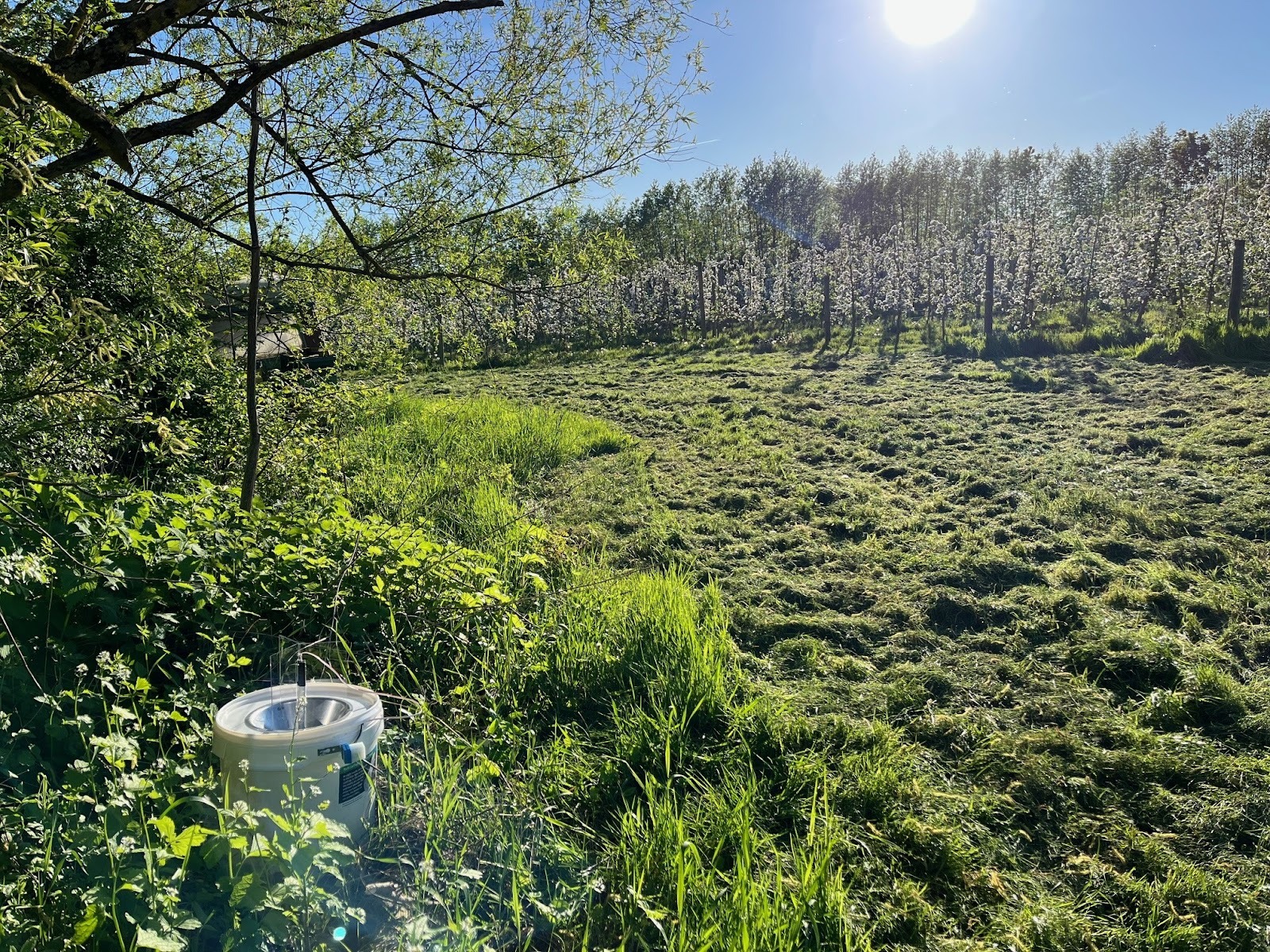
Moth trap near apple orchards during fieldwork in Sweden. Photos: Maj Rundlöf
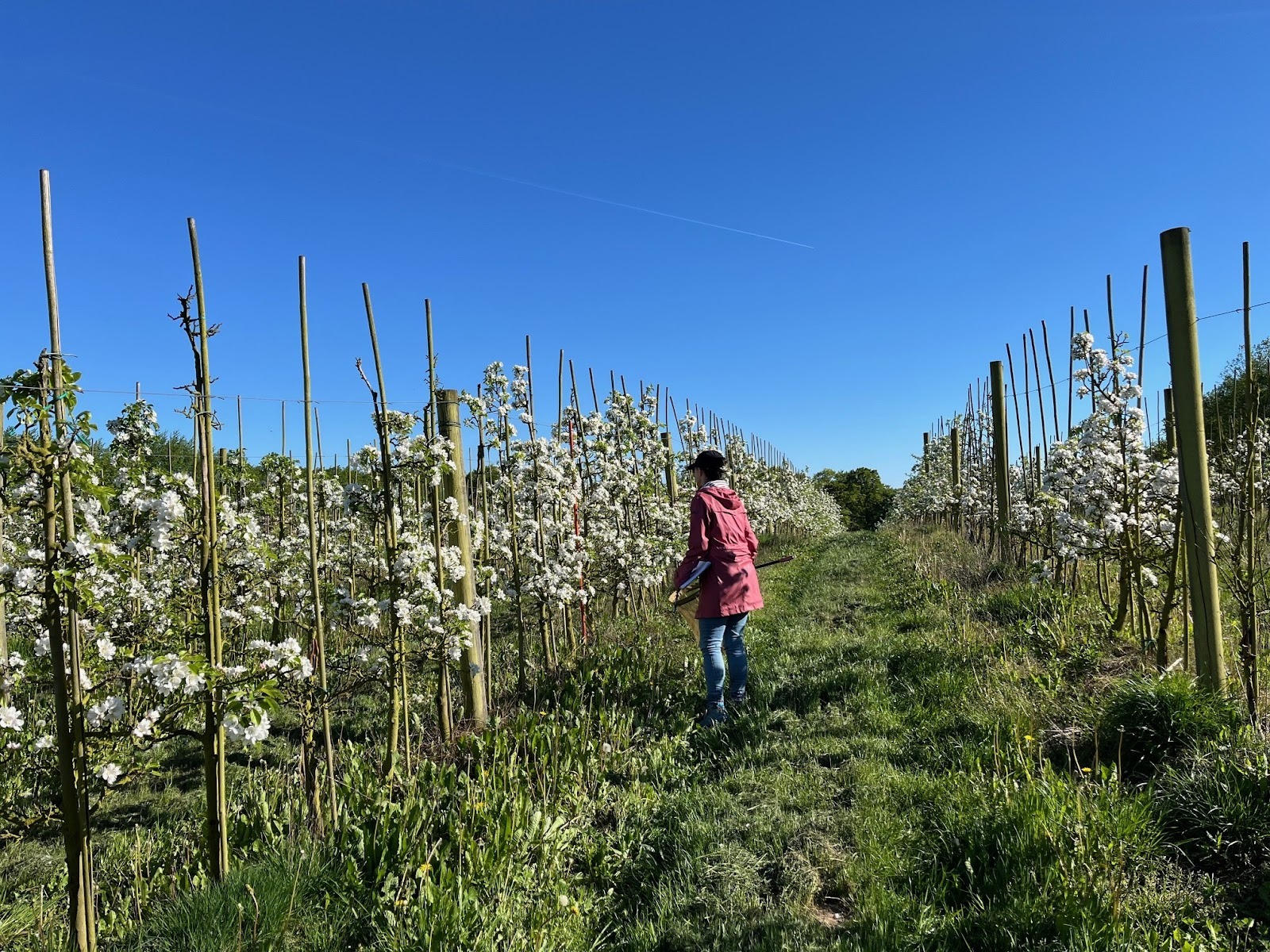
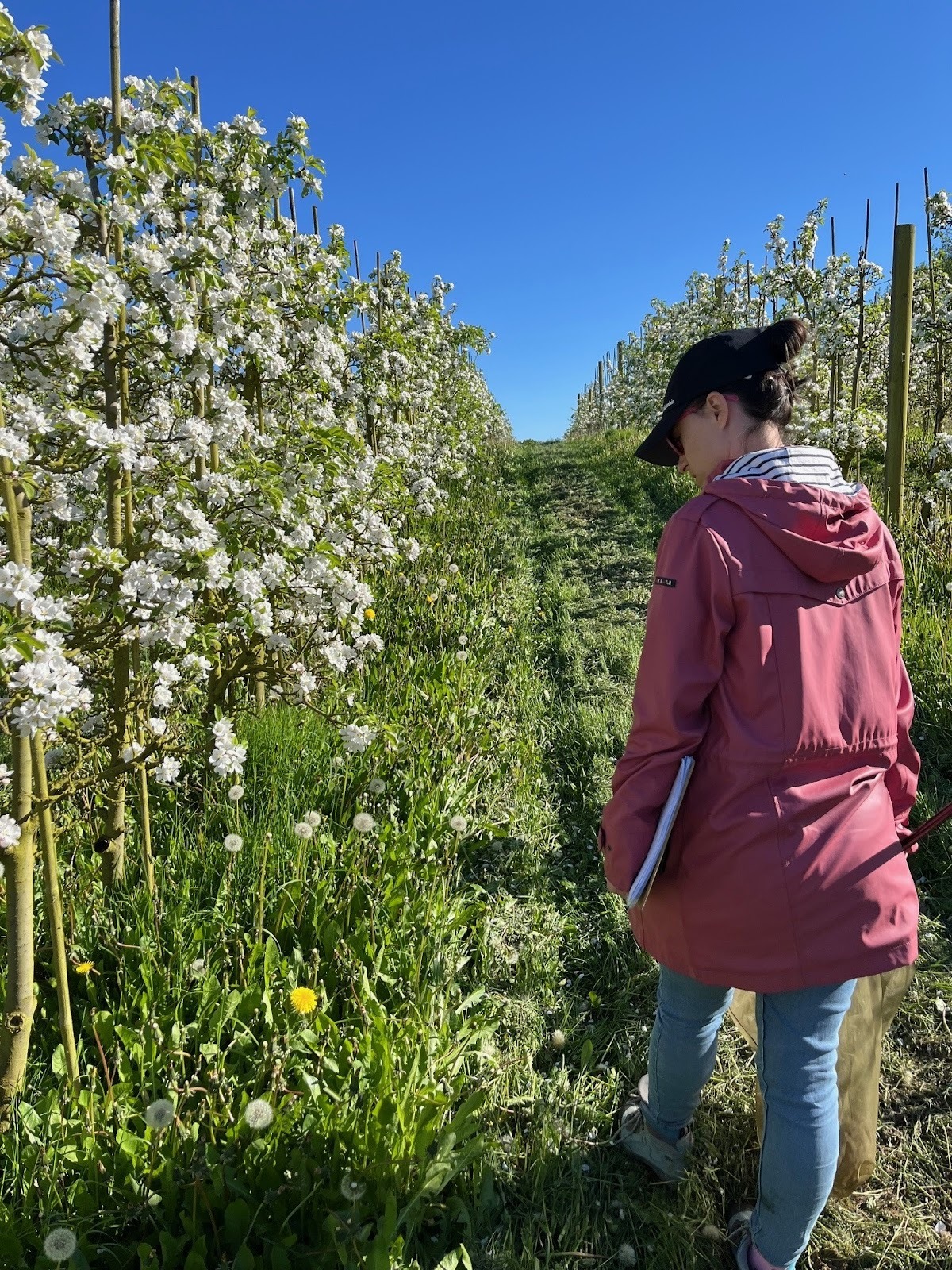
Pollinator survey in apple orchards during fieldwork in Sweden. Photos: Maj Rundlöf
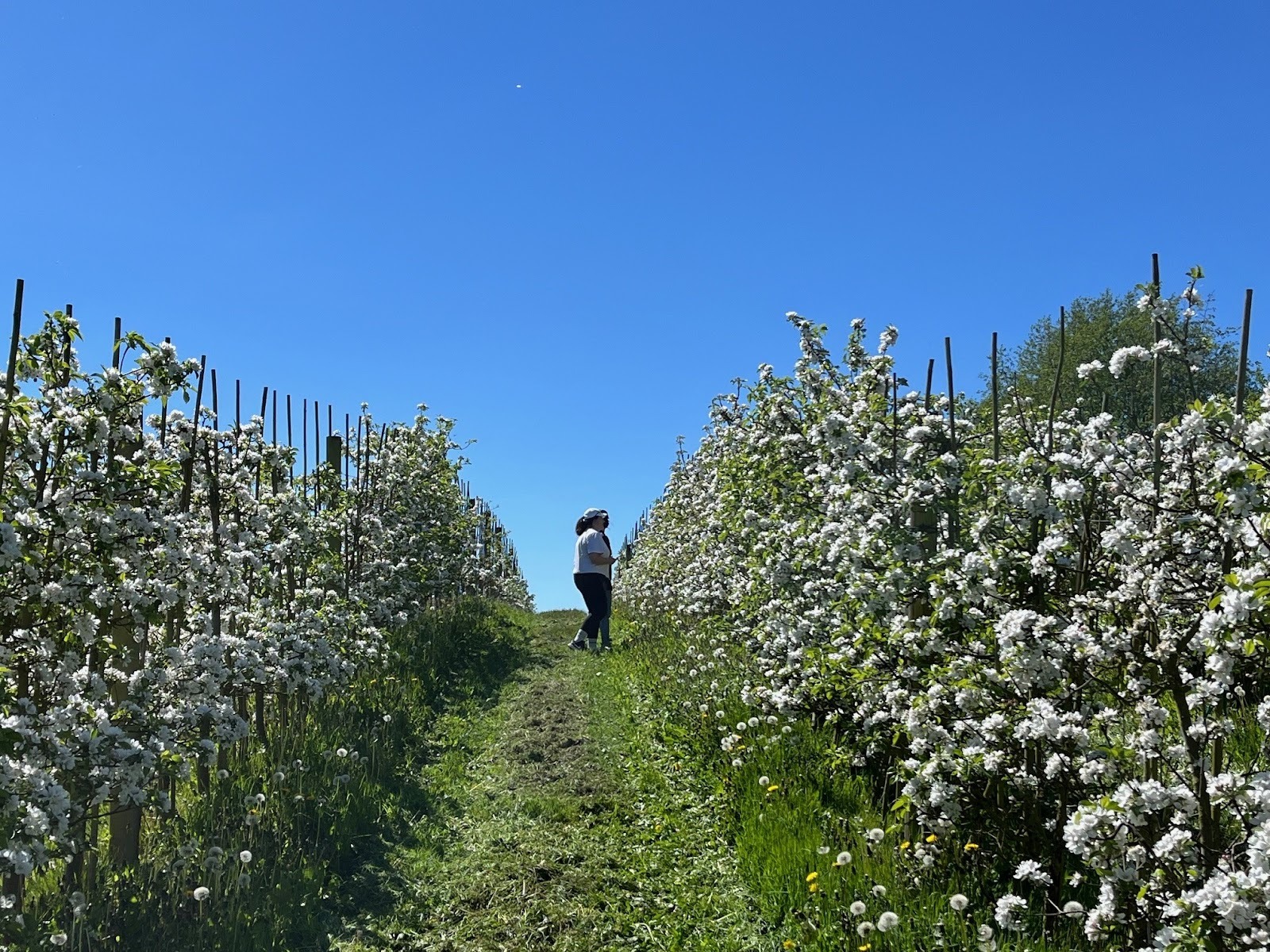
Pollinator survey in apple orchards during fieldwork in Sweden. Photos: Maj Rundlöf
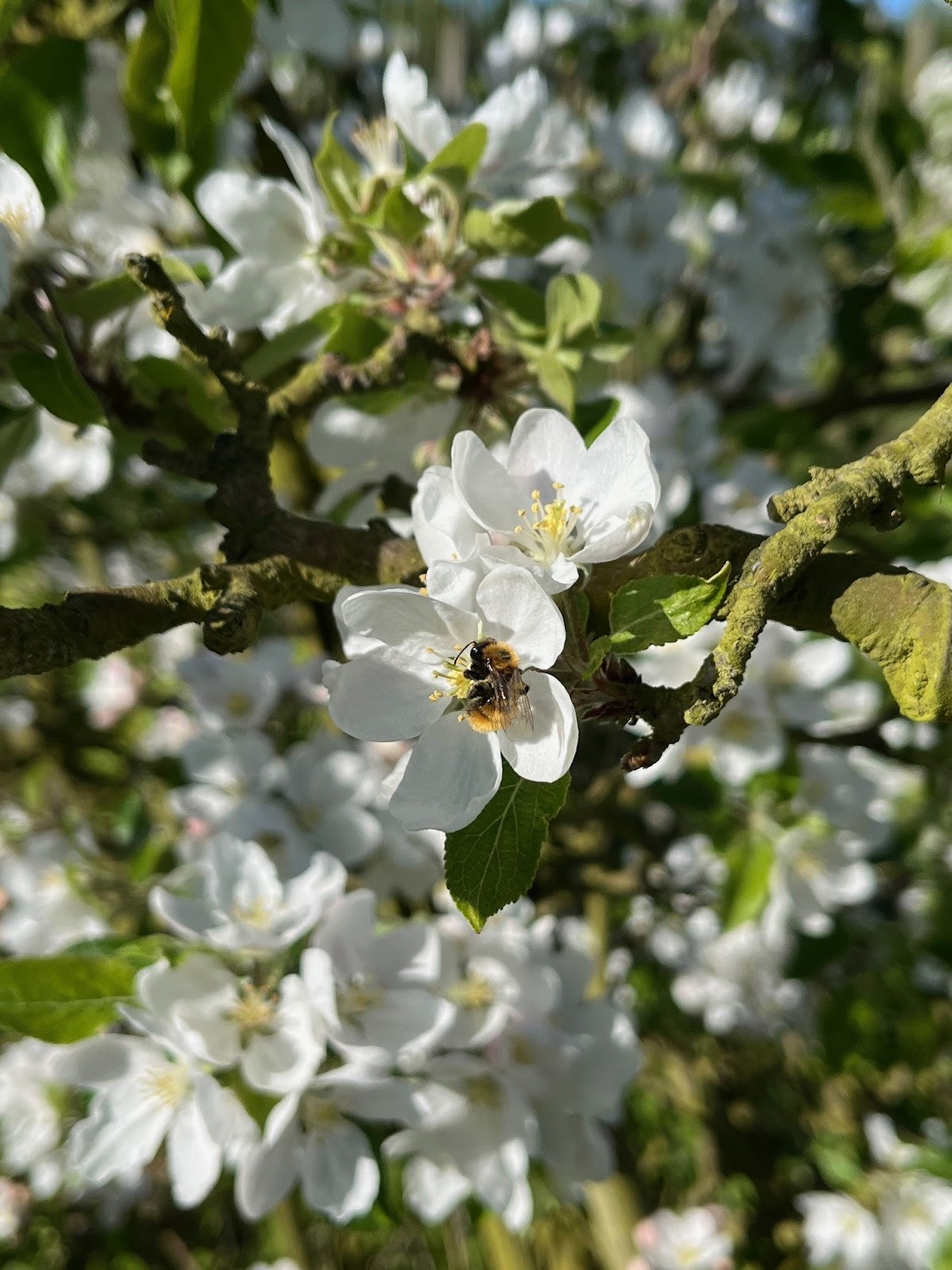

Andrena fulva on an apple tree during fieldwork in Sweden. Photos: Maj Rundlöf
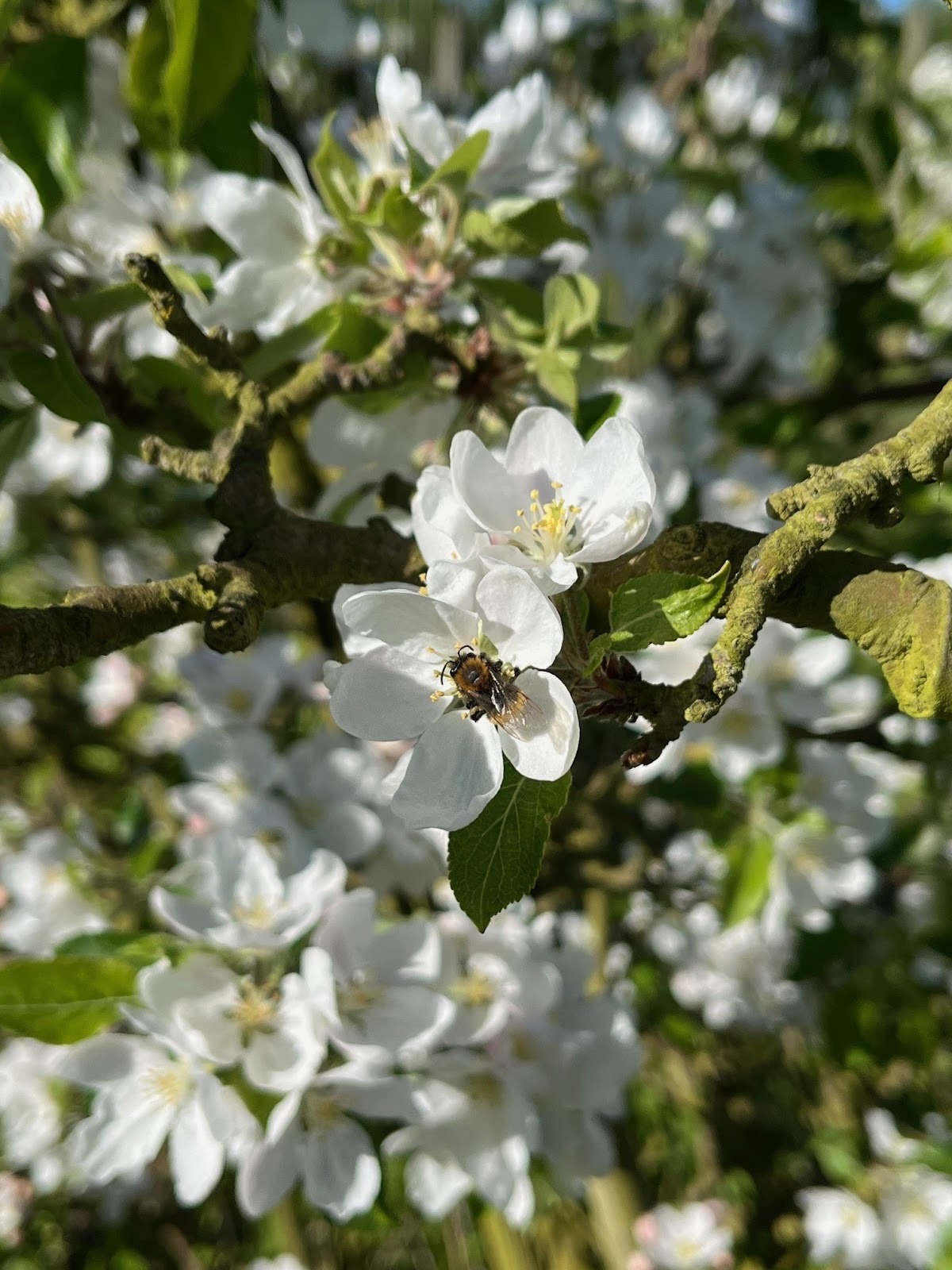
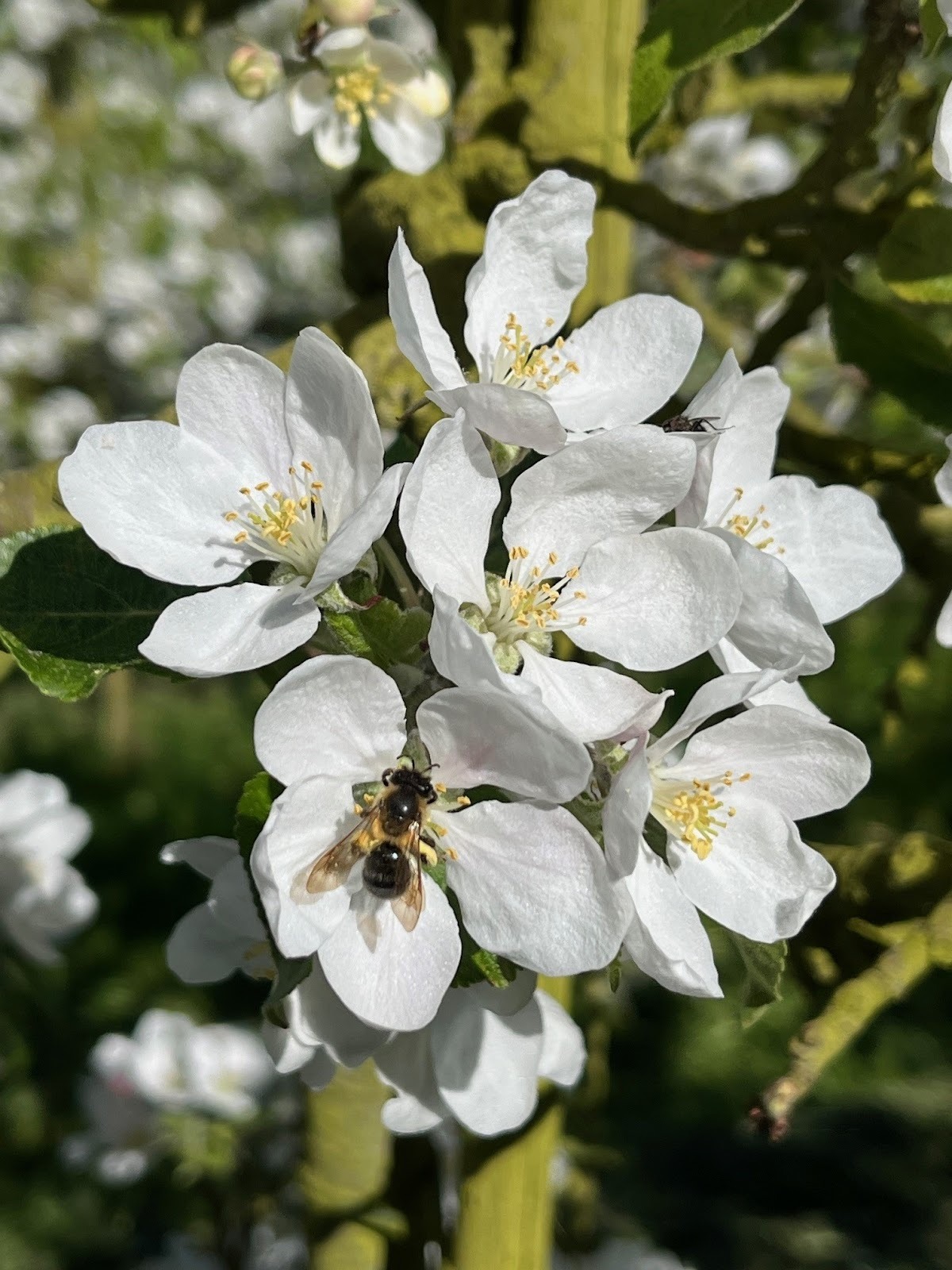
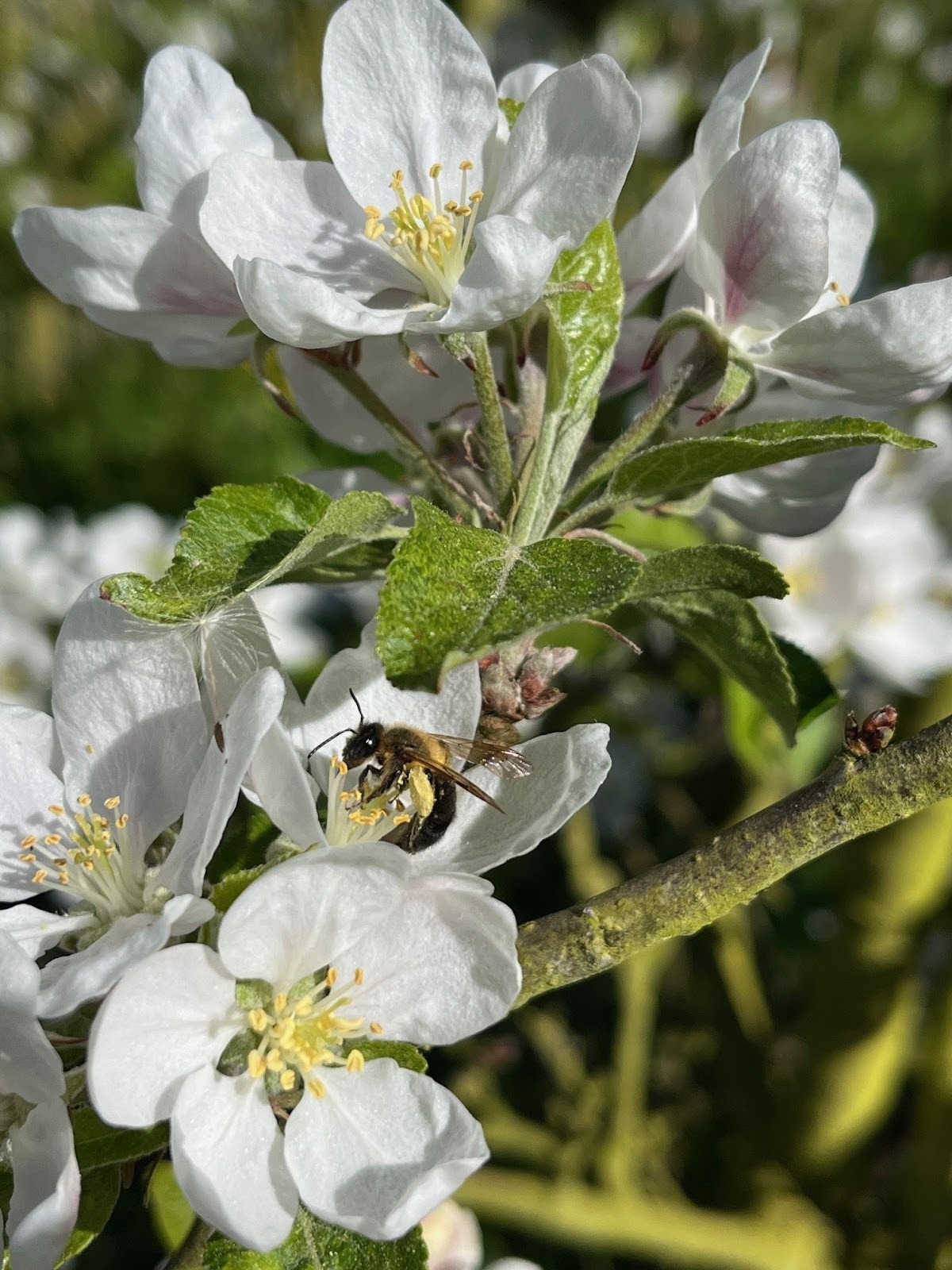
Solitary bee on an apple tree during fieldwork in Sweden. Photos: Maj Rundlöf
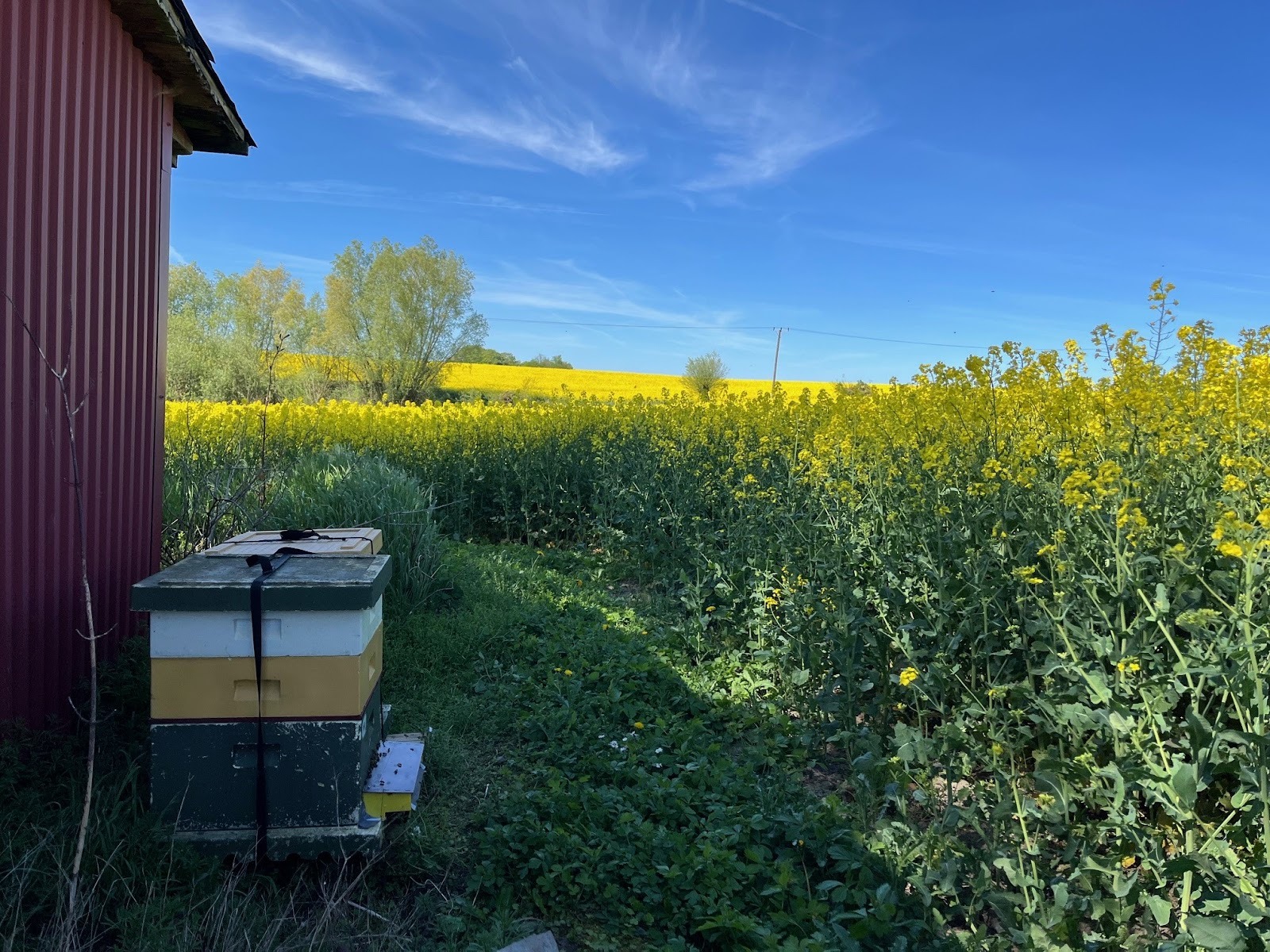
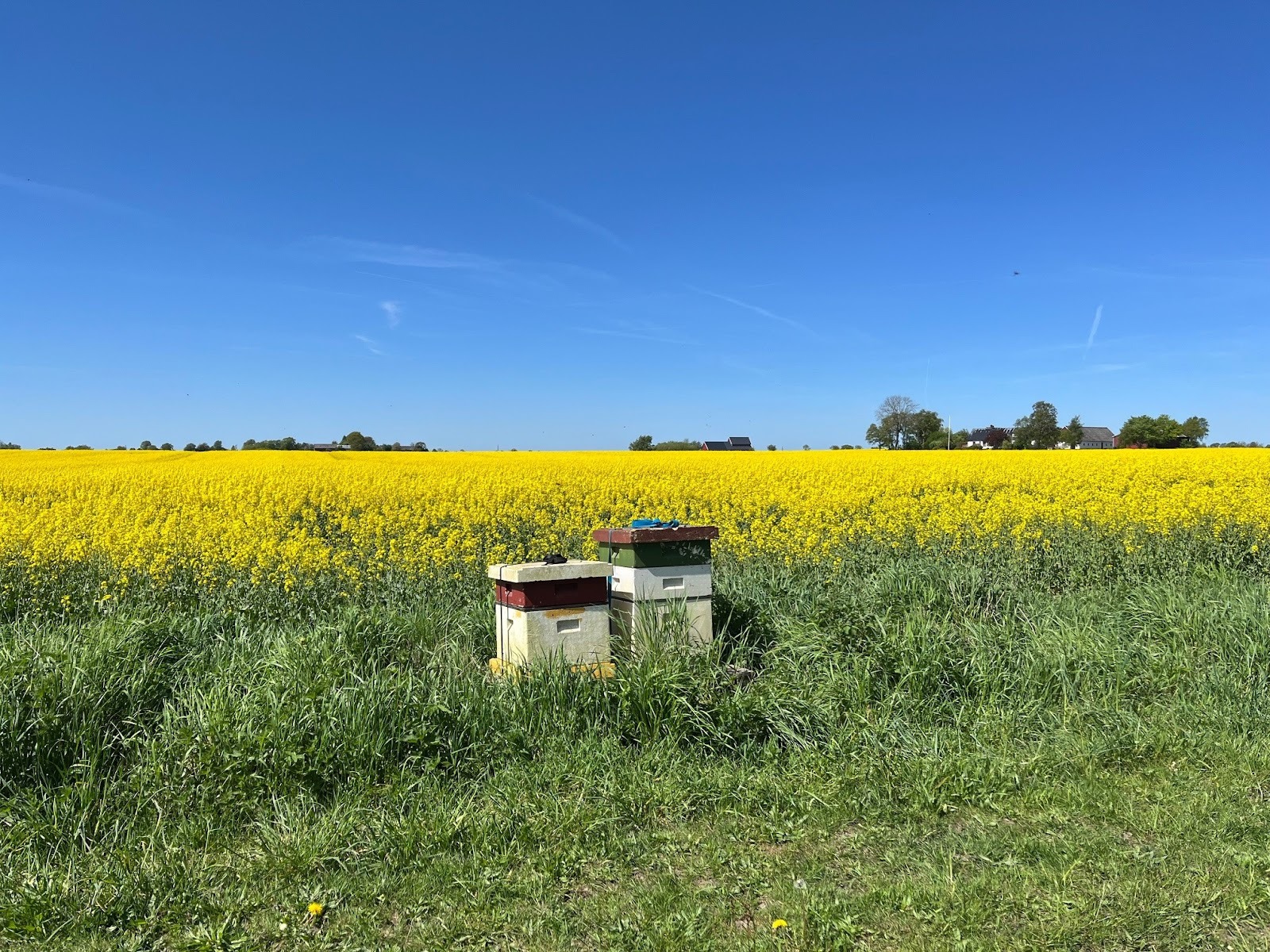
Honeybee pollen collection near oilseed rape field in Sweden. Photos: Maj Rundlöf
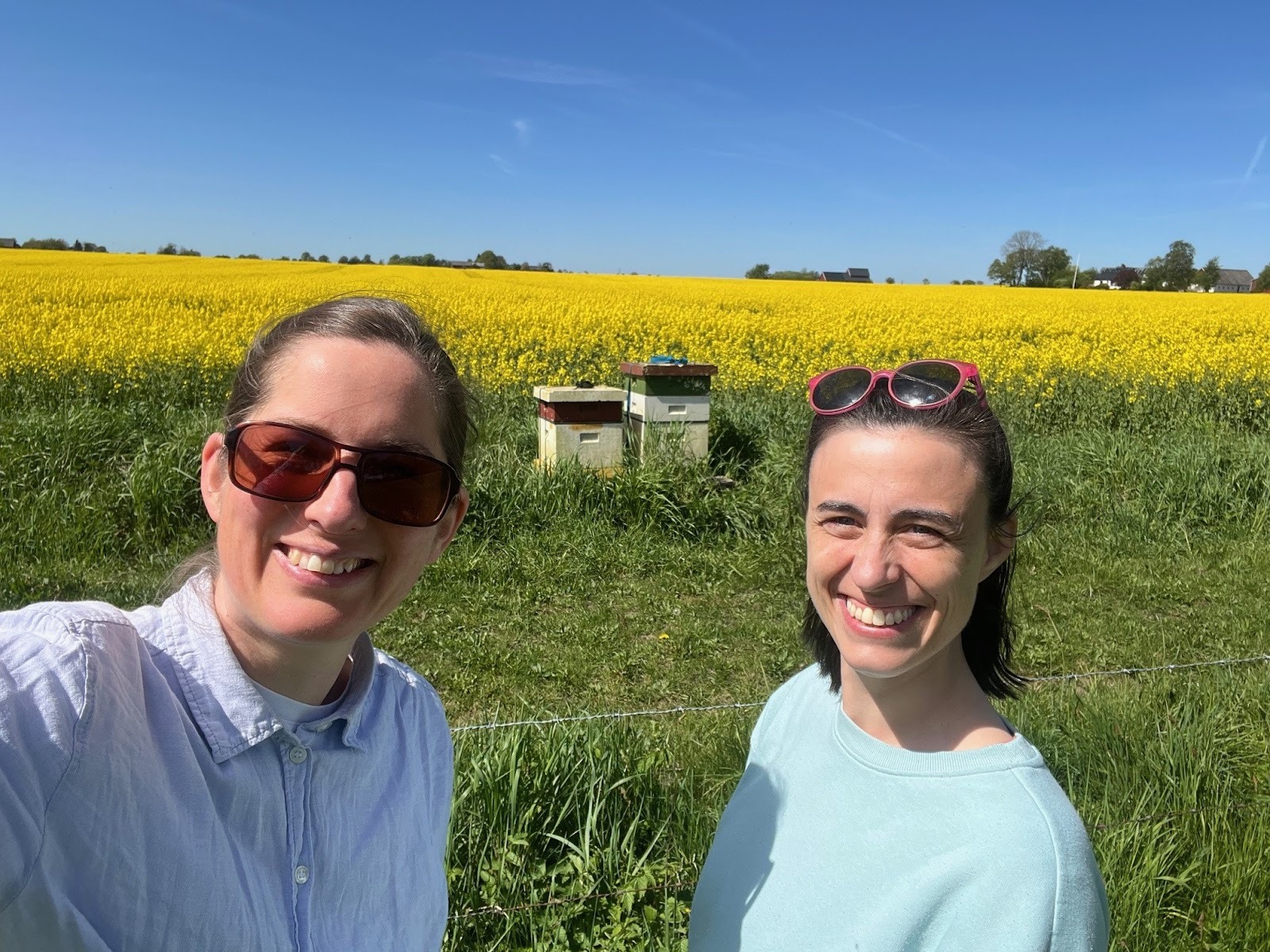
Partners Maj Rundlöf and Inés Prieto-Ruiz near oilseed rape field in Sweden. Photo: Maj Rundlöf
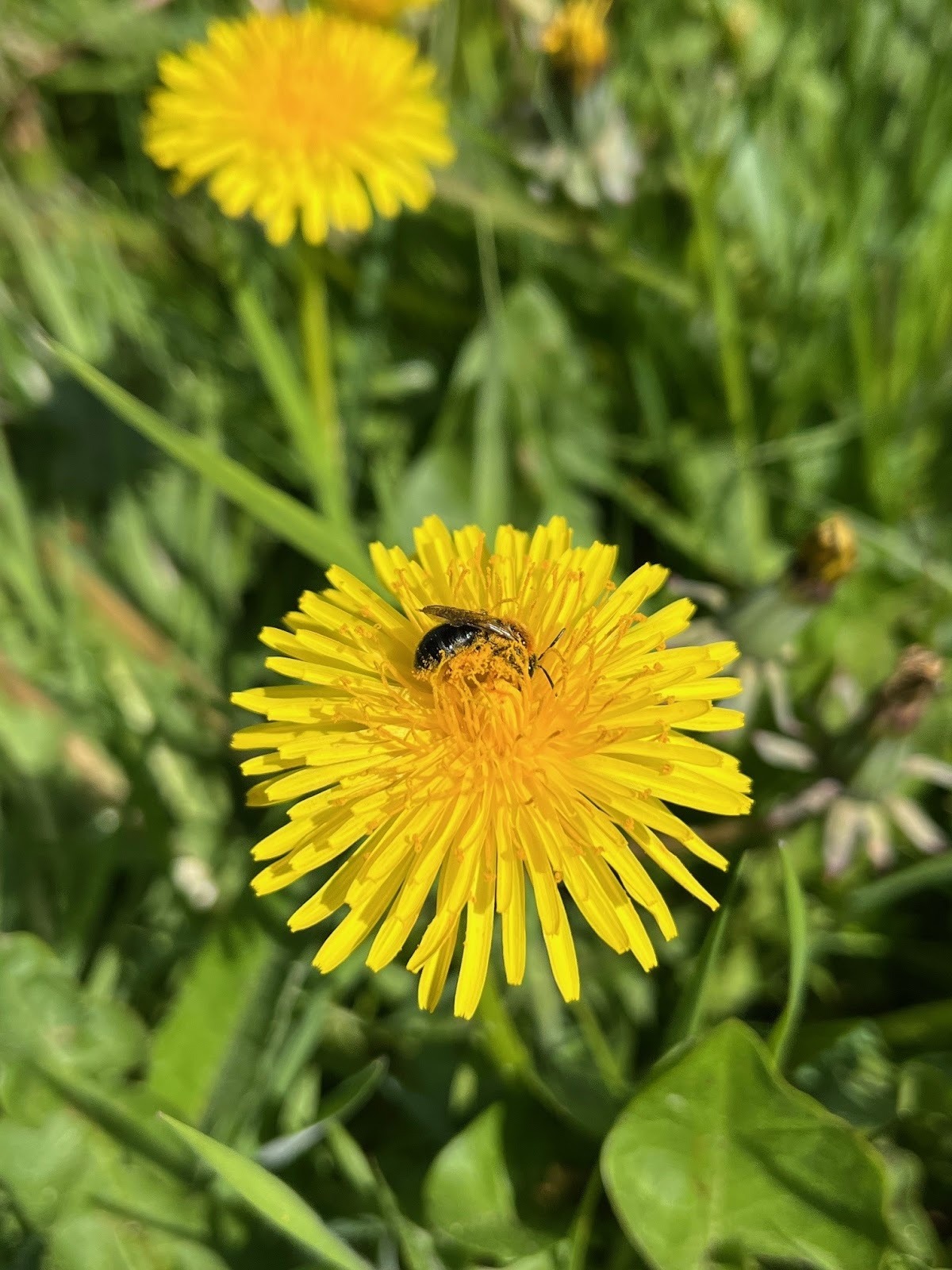
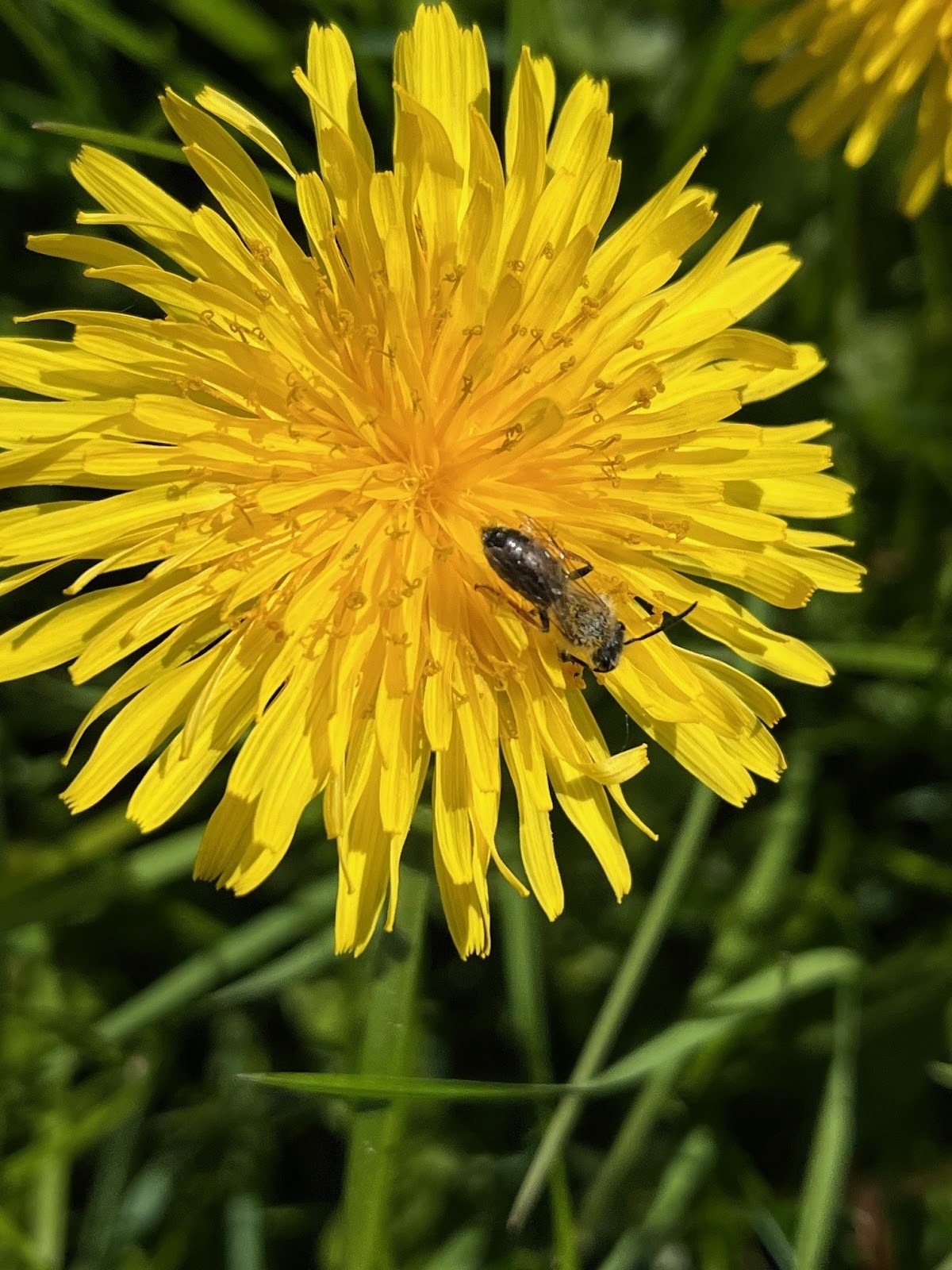
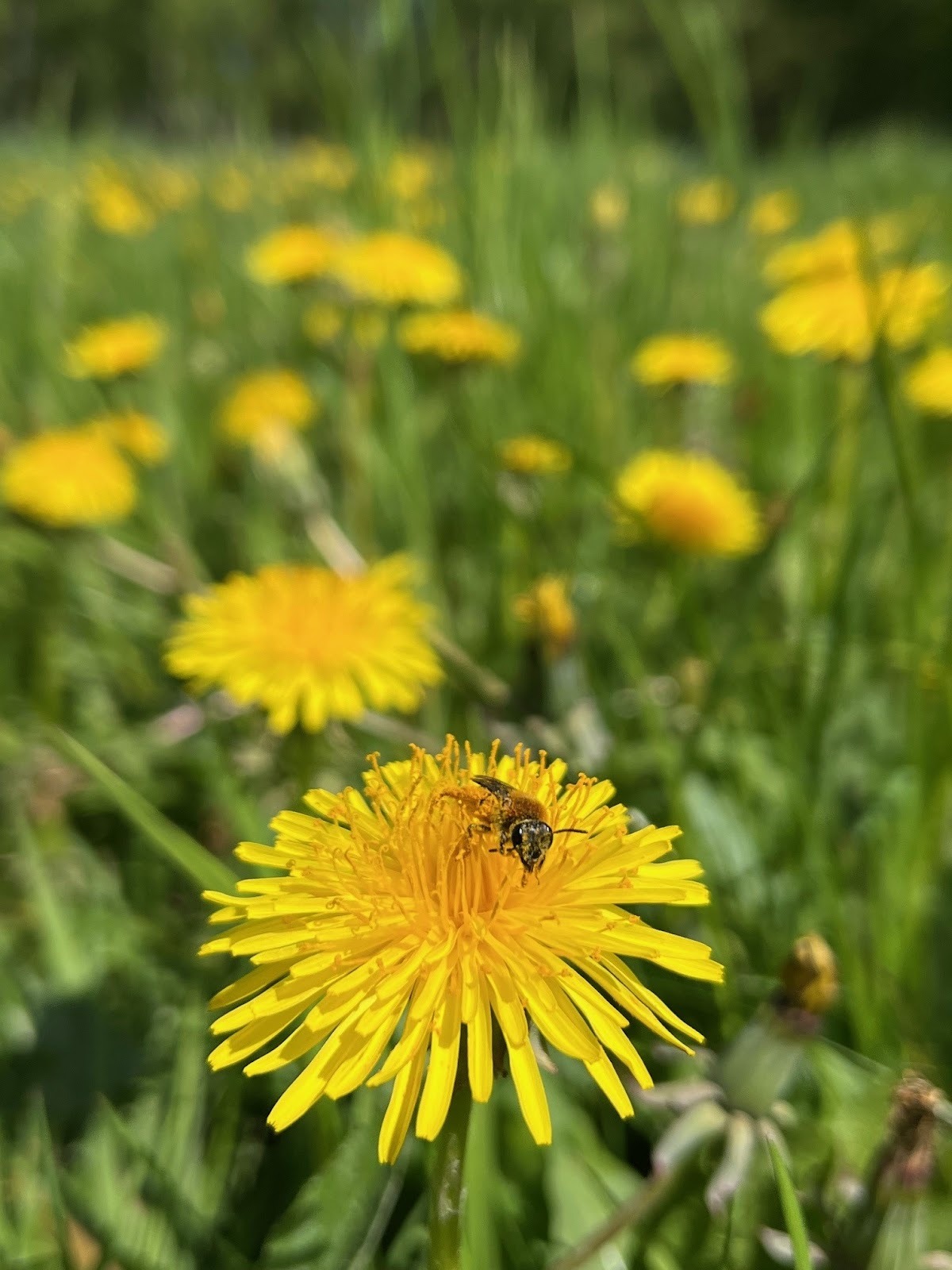
Solitary bee on a Taraxacum during fieldwork in Sweden. Photos: Maj Rundlöf
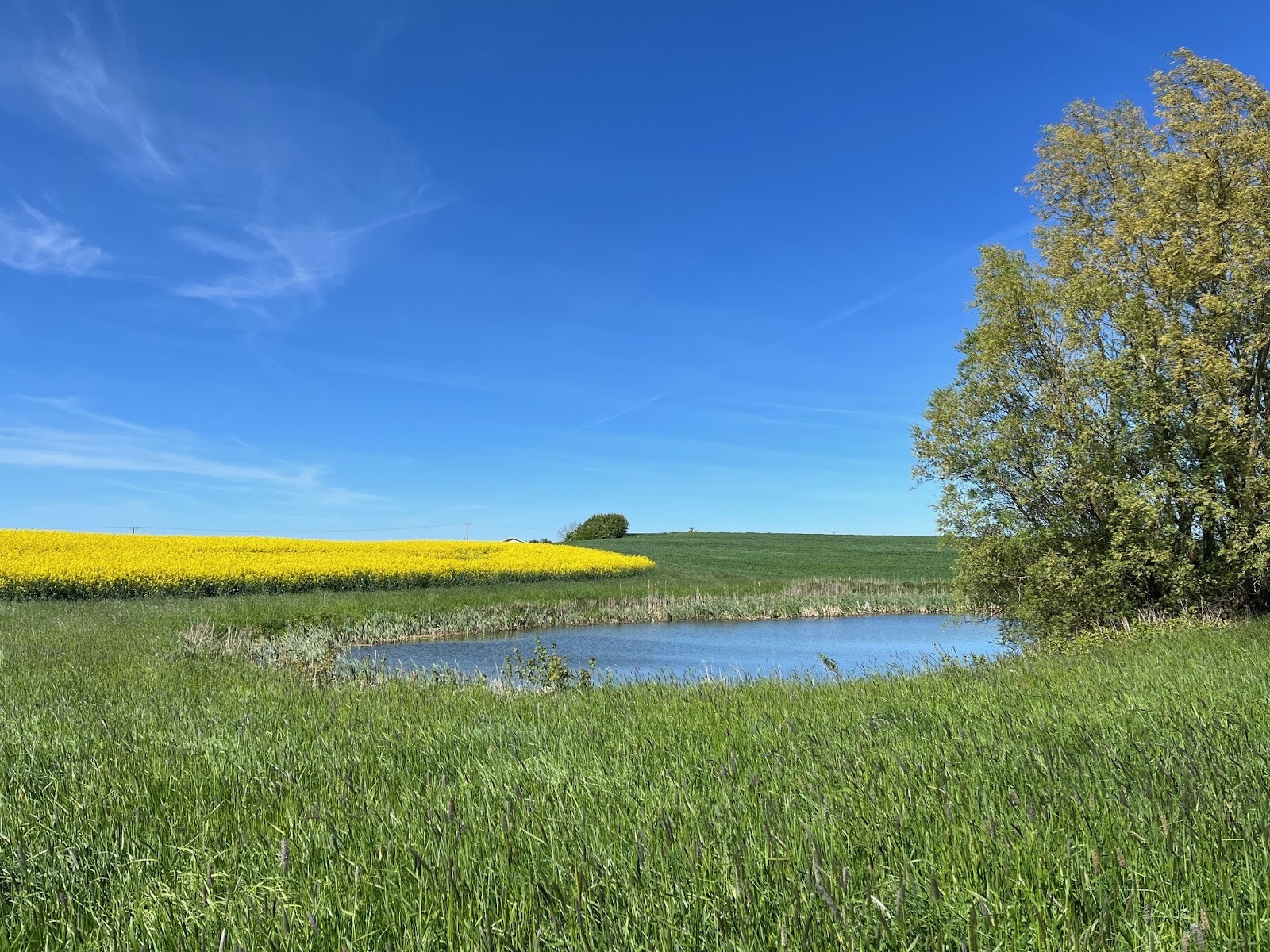
Water sampling near oilseed rape field in Sweden. Photos: Maj Rundlöf
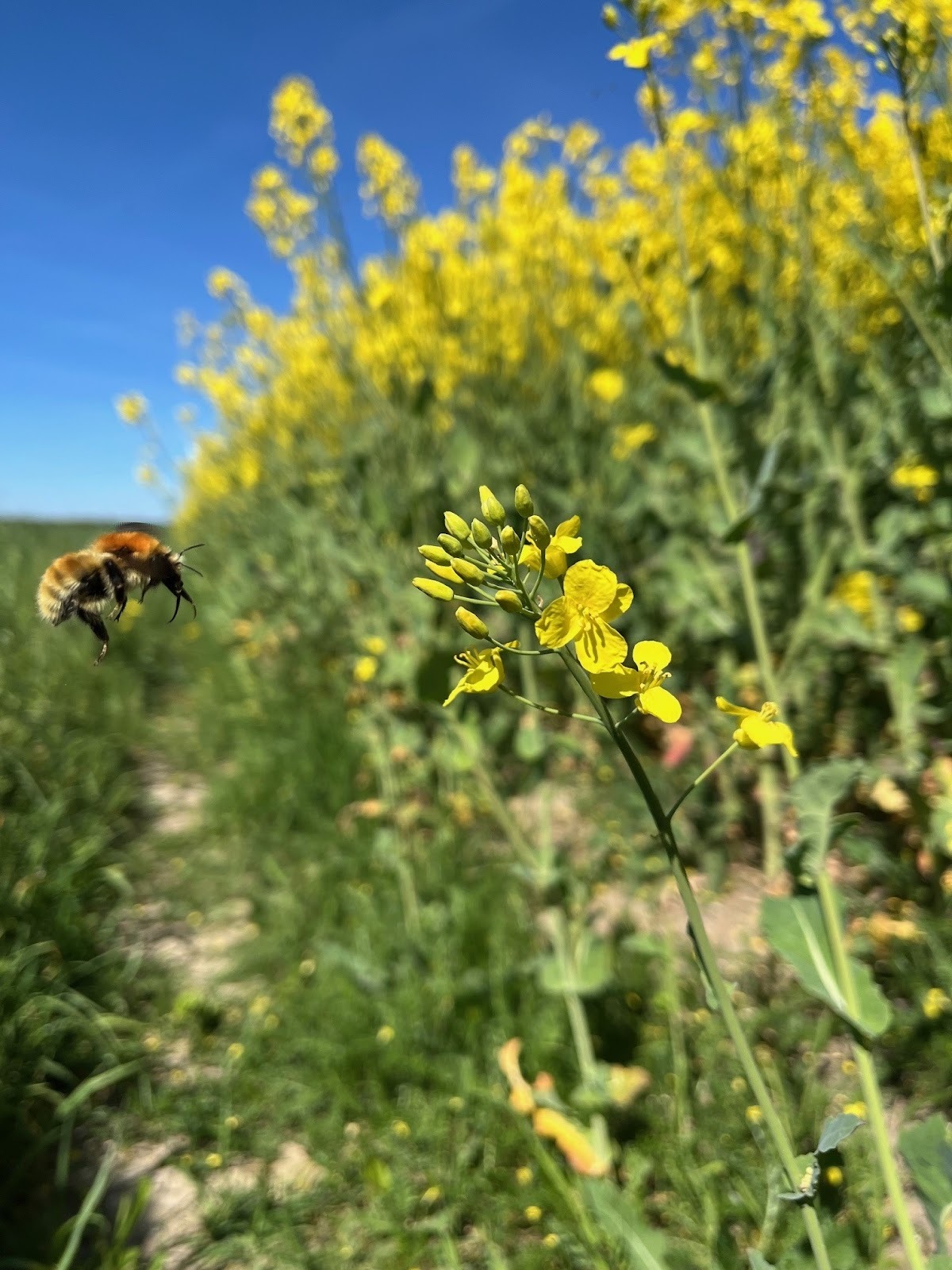
Bombus muscorum near oilseed rape field in Sweden. Photos: Maj Rundlöf