PollinERA holds its second Annual General Meeting in Lund, Sweden
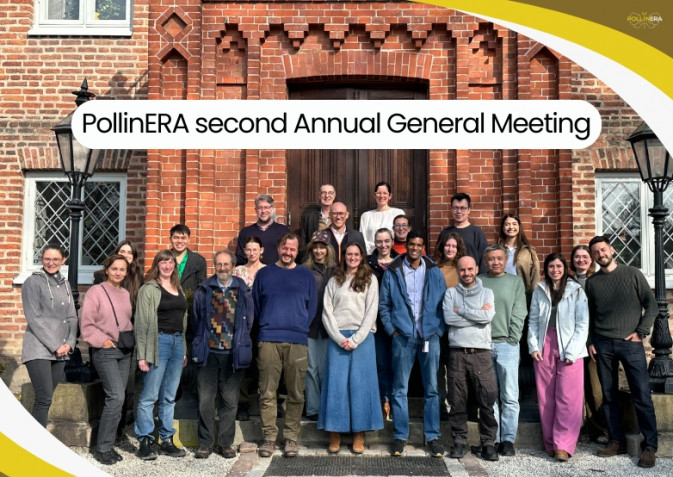
From 10 to 12 March, 2026, the PollinERA consortium gathered in Lund for its second Annual General Meeting (AGM), hosted and organised by project partner Lund University, which leads Work Package 4: Monitoring and Risk Indicators. The project partners gathered to discuss the project’s progress, share updates and decide on its future course of action.
The meeting opened with consortium sessions, where partners shared updates and scientific highlights from across the project. It was a chance to see how the different pieces of PollinERA fit together and align efforts moving forward.
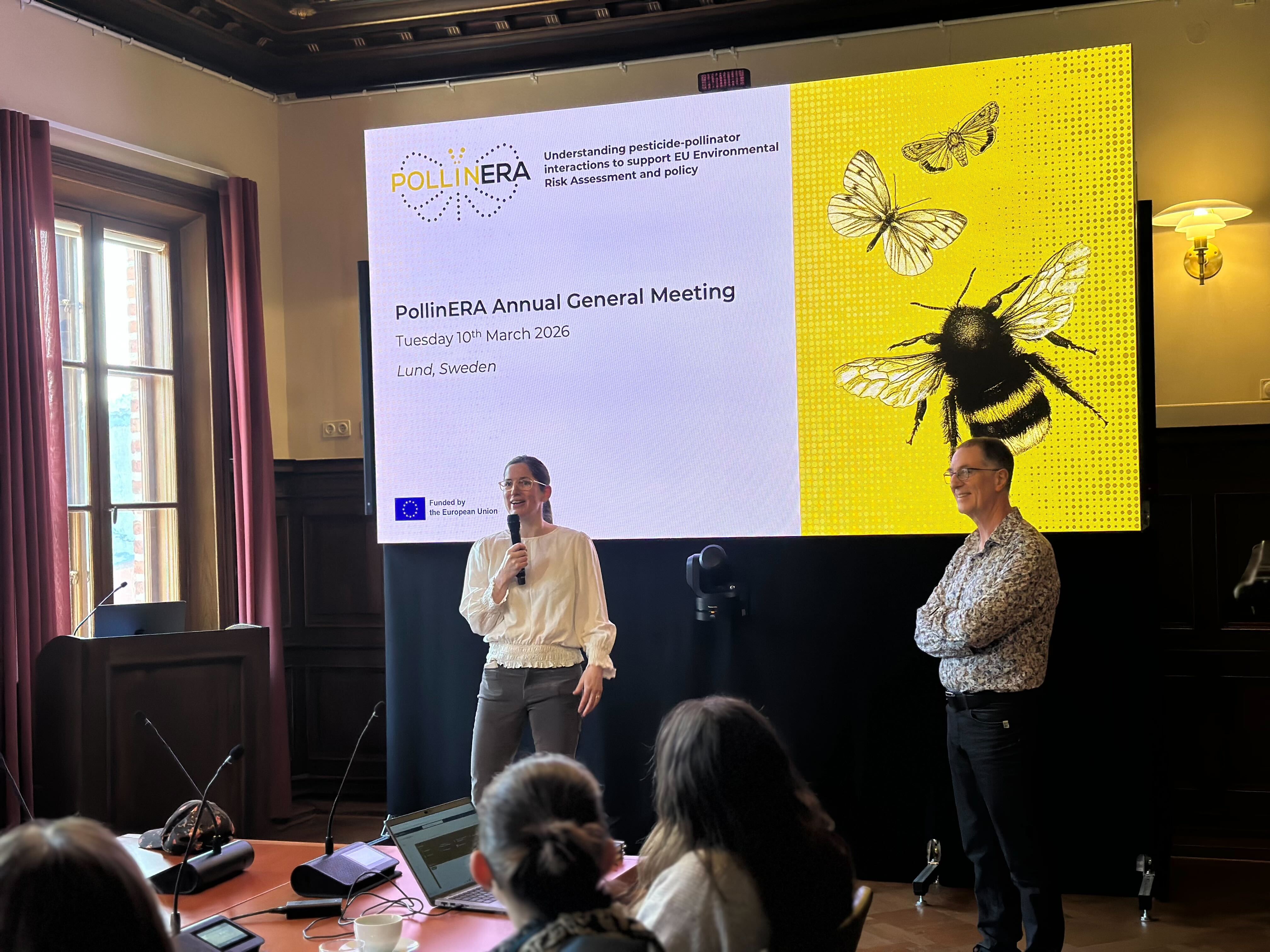
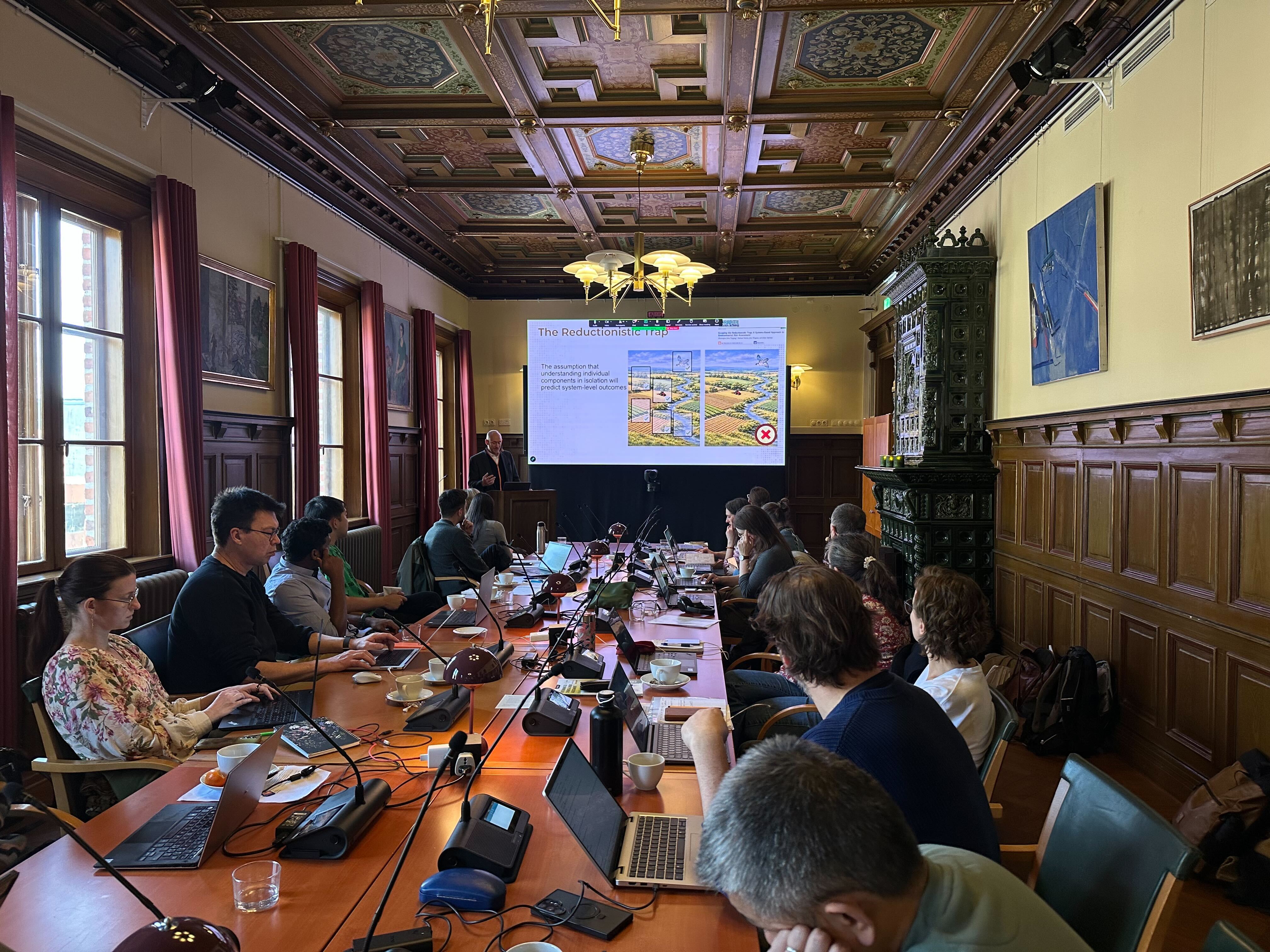
Later that day, the team opened the discussion to a wider audience through hosting an online event titled “Towards Population-Level ERA: An Introduction to the One System Prototype.” Project coordinator Christopher John Topping (Aarhus University) introduced PollinERA and presented the Systems Environmental Risk Assessment (ERA) Prototype, while James Henty Williams (Aarhus University) explored how systems-first thinking can help rethink how risk is assessed. The day closed with conversations focused on strengthening collaboration and keeping everyone aligned across the project’s objectives.
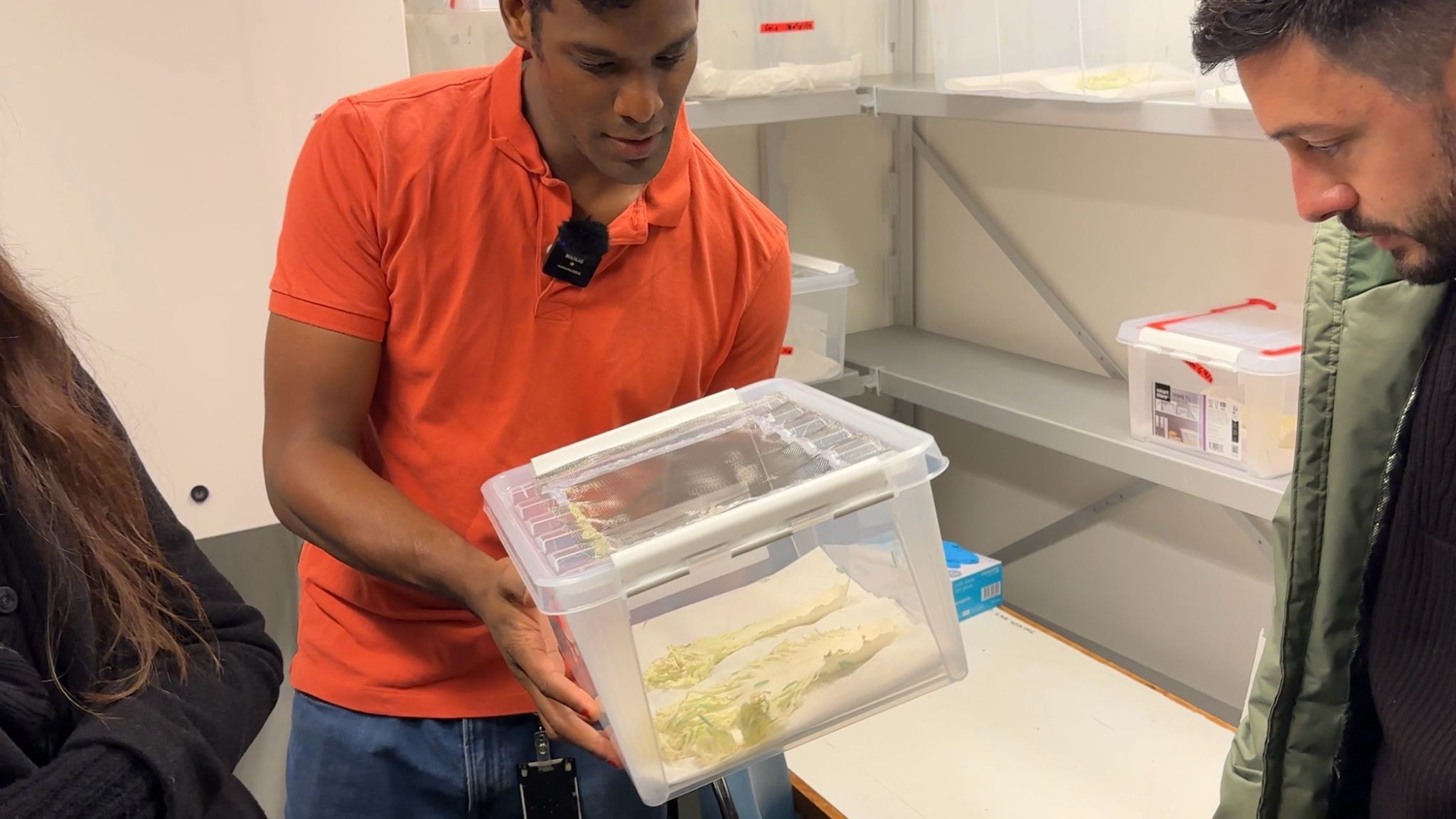
The second day took the consortium beyond the meeting room. Partners visited laboratories at Lund University, where researchers are working with PollinERA study species such as Pieris napi. Bred in captivity, this butterfly is used to study pesticide toxicity in non-pest species, an area that has received limited attention in traditional risk assessment.
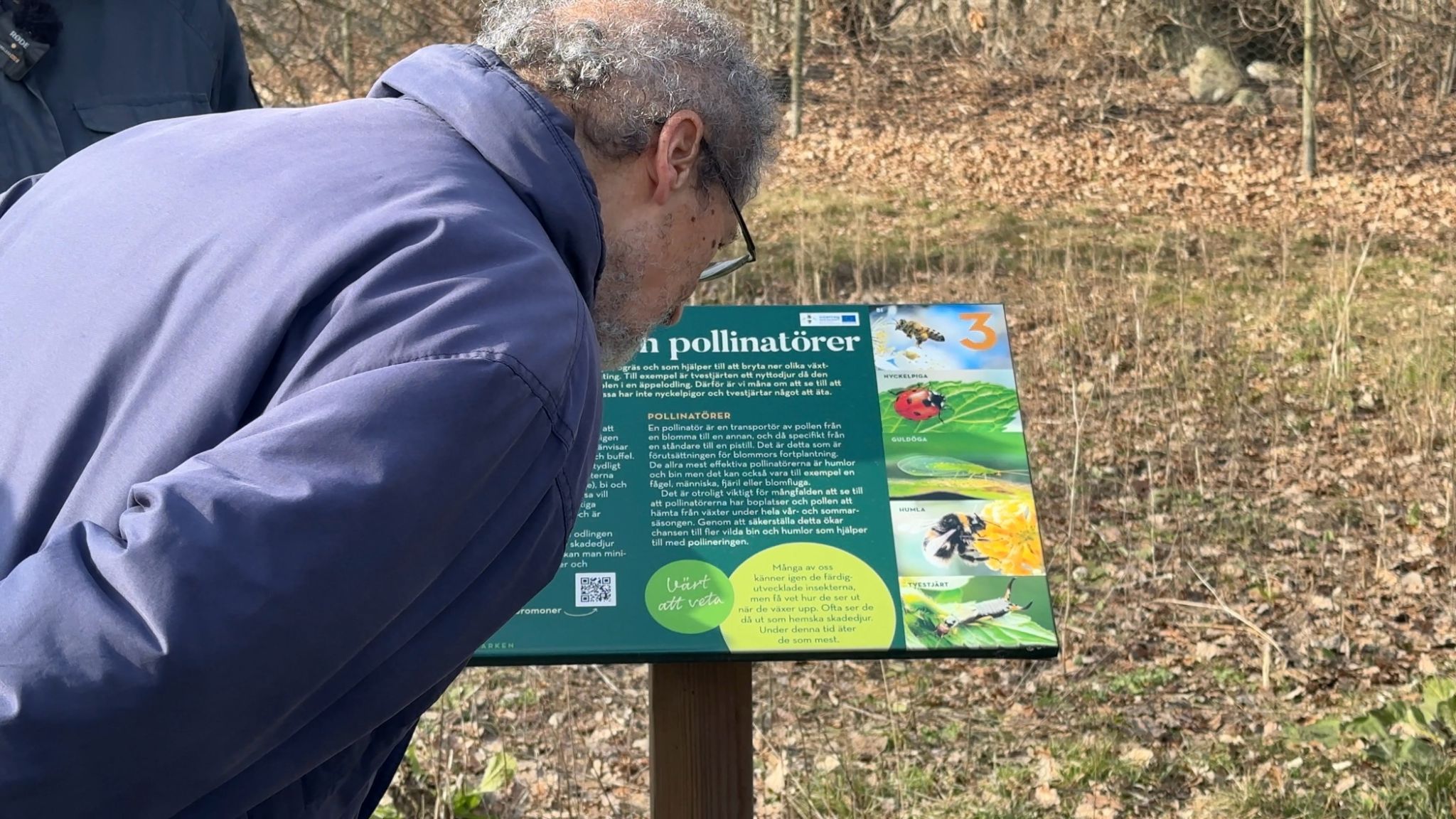
The visit continued at Kiviks Musteri Biodiversity Park, one of Sweden’s largest apple producers. Seeing both organic and conventional farming practices in action provided a valuable context for understanding how research connects to real agricultural systems. Back in discussion sessions, the focus turned to how data flows across the project and how different work packages link together to support the final outputs.
On the final day, partners returned to Lund for a series of forward-looking discussions. These covered upcoming deliverables and publications, research synergies, and key exploitable results. The team also discussed the project’s open-access topical collection in the Food and Ecological Systems Modelling Journal, as well as future communication activities and policy briefs.
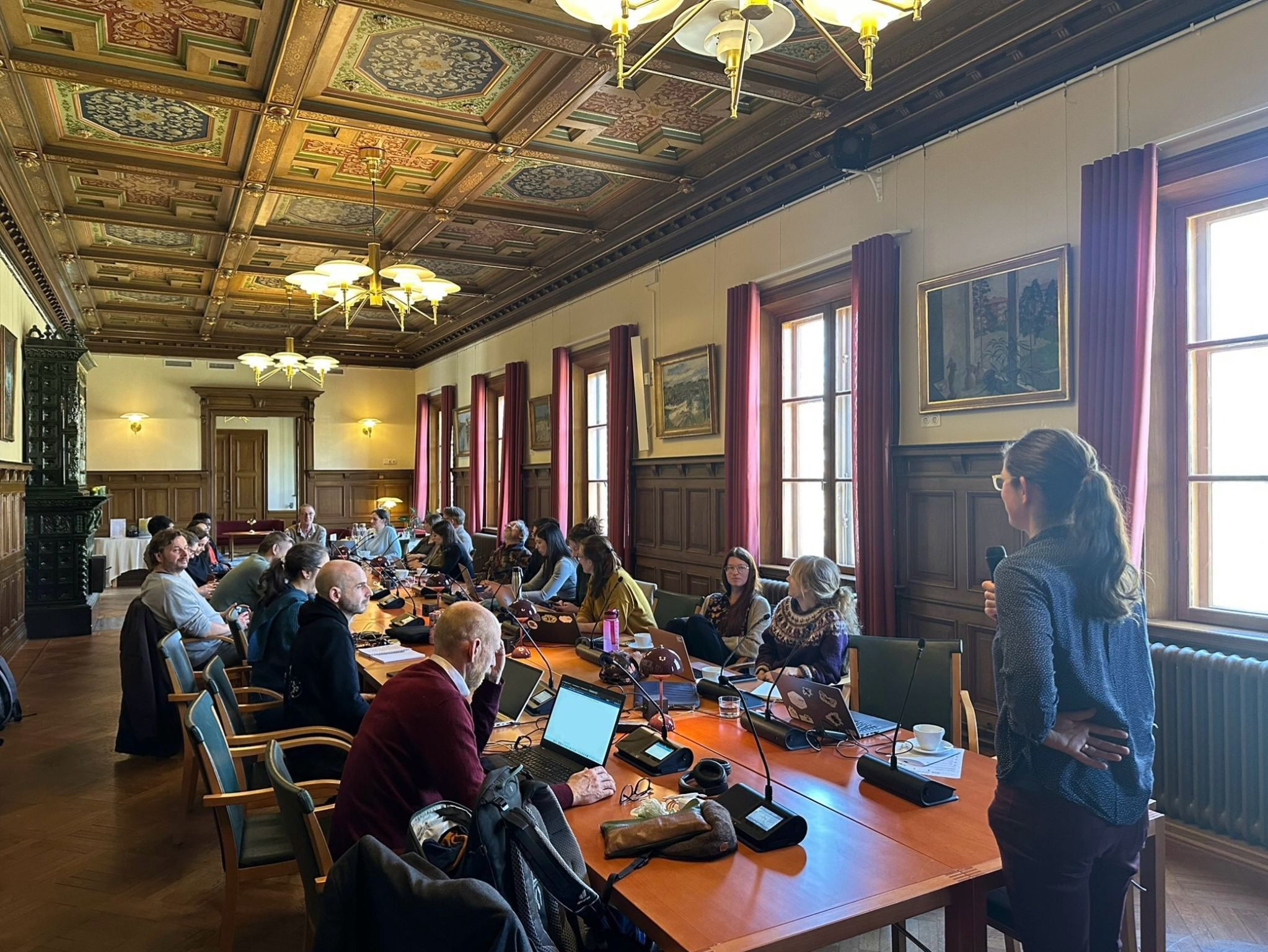
The meeting wrapped up on a positive note, with partners already looking ahead to the next Annual General Meeting in Poland.
Relevant information:
1. PollinERA's first policy brief: Reforming EU chemical risk assessment: from regulatory bottlenecks to systems solutions
2. Research Ideas and Outcomes (RIO) journal open-access collection
3. Agricultural and Environmental Modelling (AEM) journal open-access collection